
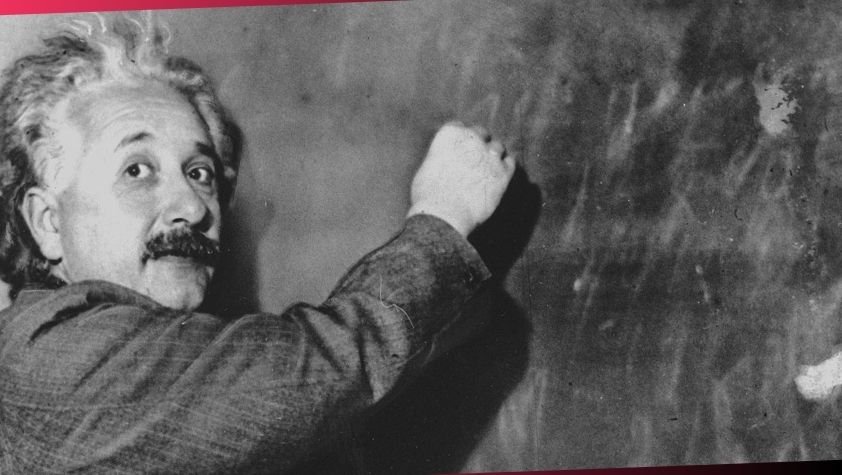
Have you ever wondered what happened to Albert Einstein’s brain after his death? You might be surprised to learn that Einstein’s brain has a story almost as fascinating as his groundbreaking theories.
This intriguing tale involves scientists, unexpected journeys, and even controversial decisions. As you delve into this article, you’ll uncover the mysteries and discoveries surrounding one of the most brilliant minds in history. By the end, you’ll understand why Einstein’s brain still captivates researchers and curious minds like yours.
Stay with us as we unravel the secrets behind the brain of a genius that changed the world.
Credit: en.wikipedia.org
The Journey After Death
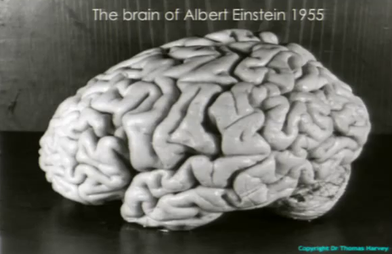
Albert Einstein’s brain was removed for study after his death in 1955. Scientists hoped to uncover the secrets of his genius. Over the years, pieces of his brain were sent to researchers worldwide for analysis. This journey sparked curiosity and debate about the ethics of studying such a legendary mind.
The story of Albert Einstein’s brain after his death is as intriguing as his life. After Einstein passed away in 1955, his brain did not rest in peace. Instead, it embarked on a journey that would fascinate scientists and the public alike. This journey sheds light on humanity’s quest to understand genius and the ethical dilemmas that arise when curiosity goes too far.The Removal And Preservation
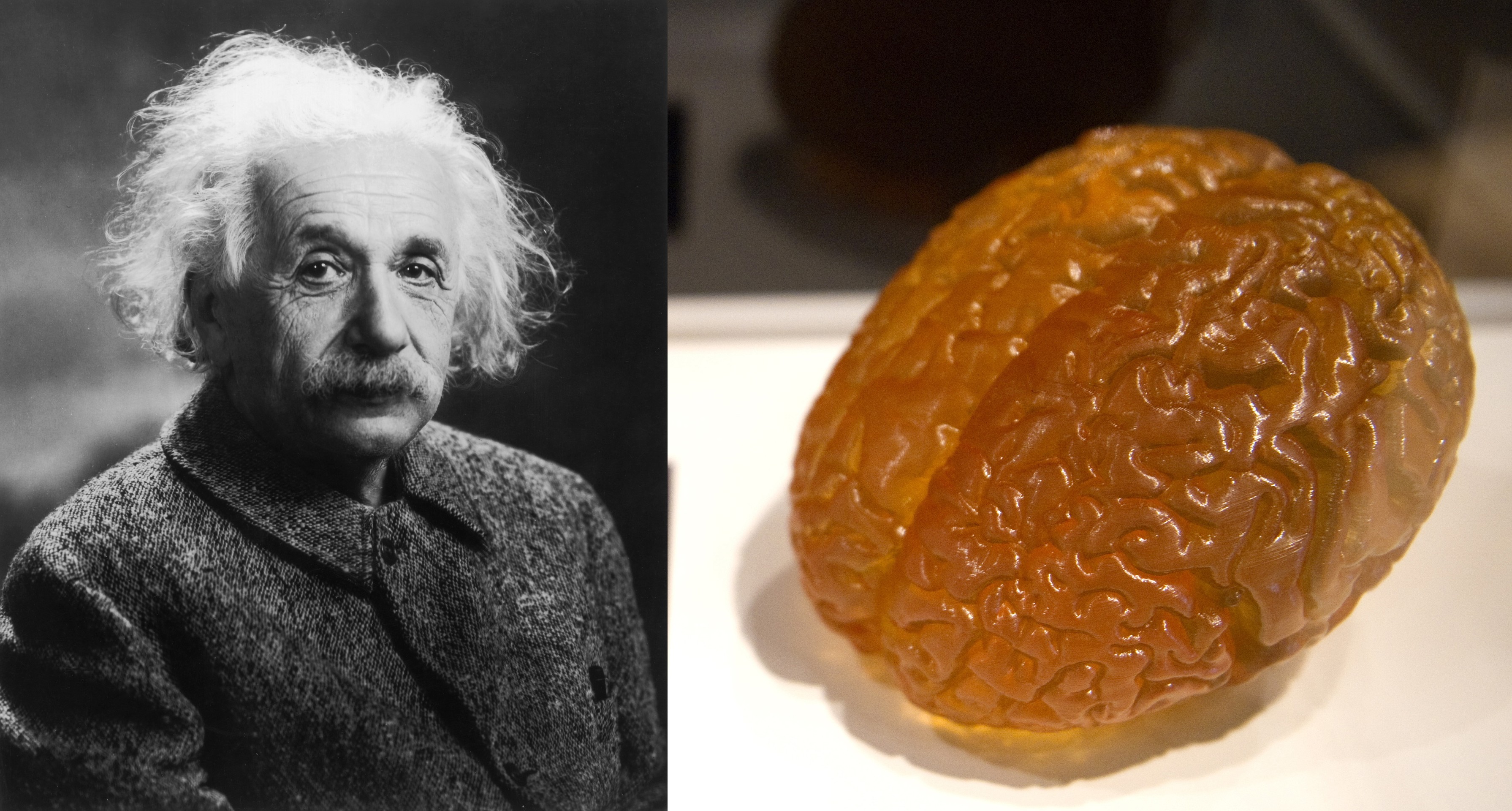
Einstein’s brain was removed shortly after his death by Dr. Thomas Stoltz Harvey during an autopsy at Princeton Hospital. This was done without the permission of Einstein’s family, sparking controversy. Harvey preserved the brain in formaldehyde, dividing it into 240 blocks and embedding these in celloidin, a hard and rubbery form of cellulose, to be further studied.The Quest For Understanding
The primary motivation behind preserving Einstein’s brain was to uncover the secrets of his genius. Researchers hoped to find physical differences that might explain his extraordinary intellect. Over the years, various scientists studied the brain, producing mixed results and numerous theories, yet no definitive answers.Traveling The World
Dr. Harvey transported Einstein’s brain across the United States, sharing it with various researchers. He even kept parts of it in a cider box hidden under a beer cooler in his office. This peculiar journey took the brain to cities like Philadelphia and Kansas, and even across the globe to places like Japan.Scientific Findings And Controversies
Some studies suggested that Einstein’s brain had more glial cells relative to neurons in certain areas. Others noted unusual features in the parietal lobes. However, these findings were often contested and criticized for methodological flaws. The ethical considerations of studying Einstein’s brain without consent also fueled debate.A Lesson In Ethics And Curiosity
Einstein’s brain journey raises important questions about scientific ethics. Is it right to study someone’s remains without their consent, even in the name of science? This story reminds us to balance our thirst for knowledge with respect for individual rights. Einstein’s brain, a symbol of human curiosity, continues to intrigue and provoke discussion. It challenges us to consider how far we are willing to go in the pursuit of understanding. What do you think? How should we balance scientific discovery with ethical responsibility?Scientific Examination
Albert Einstein’s brain has intrigued scientists since his death. The desire to understand his genius led to scientific examinations. These studies aimed to uncover secrets of his extraordinary intellect.
Scientific Methods Used
Researchers used various techniques to examine Einstein’s brain. They measured the brain’s weight and dimensions. Histological methods helped analyze the cellular structure. Advanced imaging technologies provided detailed insights.
Key Discoveries
Scientists found unique features in Einstein’s brain. Certain areas were larger than average. The parietal lobe showed distinct characteristics. These features might relate to his mathematical skills.
Controversial Findings
The examination of Einstein’s brain sparked debates. Some findings were questioned for their validity. Critics argued about the ethical implications. This controversy made the study more intriguing.
Impact On Neuroscience
Einstein’s brain studies influenced neuroscience. They inspired new research into brain structures. Scientists explored connections between anatomy and intelligence. This research continues to impact the field today.
Legacy Of Einstein’s Brain
The examinations left a lasting legacy in science. They highlighted the complexity of human cognition. Einstein’s brain remains a symbol of intellectual curiosity. Its study continues to fascinate scientists and the public.
Ethical And Cultural Impact
Albert Einstein’s brain underwent unauthorized removal and study after his death, sparking ethical concerns. Cultural impacts include debates on scientific ethics and privacy, reflecting society’s views on intellectual legacy.
The story of Albert Einstein’s brain is as fascinating as the man himself. After his death in 1955, his brain was removed and preserved for study, sparking debates about ethics and cultural implications. The handling of Einstein’s brain raises important questions about respect, scientific curiosity, and cultural values.Ethical Concerns
The removal of Einstein’s brain was done without his or his family’s consent. This act raises serious ethical questions. Would you want your body treated this way after your death? It challenges the boundaries of scientific exploration and respect for personal dignity. Scientists argue that studying Einstein’s brain could unlock secrets about genius, but at what cost? This dilemma is a reminder of the thin line between knowledge and exploitation.Cultural Impact
The fascination with Einstein’s brain reflects our cultural obsession with genius. It suggests that we value intelligence and innovation above personal wishes. But is this focus on genius distracting us from appreciating the whole person? Einstein himself valued imagination over intellect, a lesson often overlooked. This cultural impact extends to how we view scientific figures. Are they mere subjects of study, or should they be respected as individuals with rights?Lessons Learned
Einstein’s brain saga teaches us about the importance of consent and respect. It reminds us to consider the ethical dimensions of scientific pursuits. How do we balance the quest for knowledge with ethical considerations? This story challenges us to think critically about our values and priorities. The handling of Einstein’s brain serves as a cautionary tale. It urges us to reflect on the human aspects behind scientific endeavors. What legacy do we want to leave for future generations?
Credit: www.npr.org
Credit: www.livescience.com
Frequently Asked Questions
Where Is Albert Einstein’s Brain Today?
Parts of Einstein’s brain are in museums. Some were studied for research. Not all parts are accounted for.
Why Was Einstein’s Brain Removed?
Einstein’s brain was removed for scientific study. Researchers wanted to understand the source of his genius.
How Was Einstein’s Brain Different?
Studies found unusual features. More neurons in certain regions. This intrigued scientists, but didn’t explain genius.
Who Studied Einstein’s Brain?
Thomas Stoltz Harvey first studied it. He took many slices for research. Other scientists later analyzed them.
Conclusion
Einstein’s brain remains a topic of fascination. Scientists hoped to uncover his genius. They studied it for decades. They found unique features in his brain. But mysteries still linger. Did these features make him a genius? No clear answer yet.
His brain traveled and was studied globally. A symbol of human curiosity and intellect. People continue to wonder about its secrets. A reminder of the endless quest for knowledge. Einstein’s legacy lives on. Not just in physics. But in our quest to understand the mind.